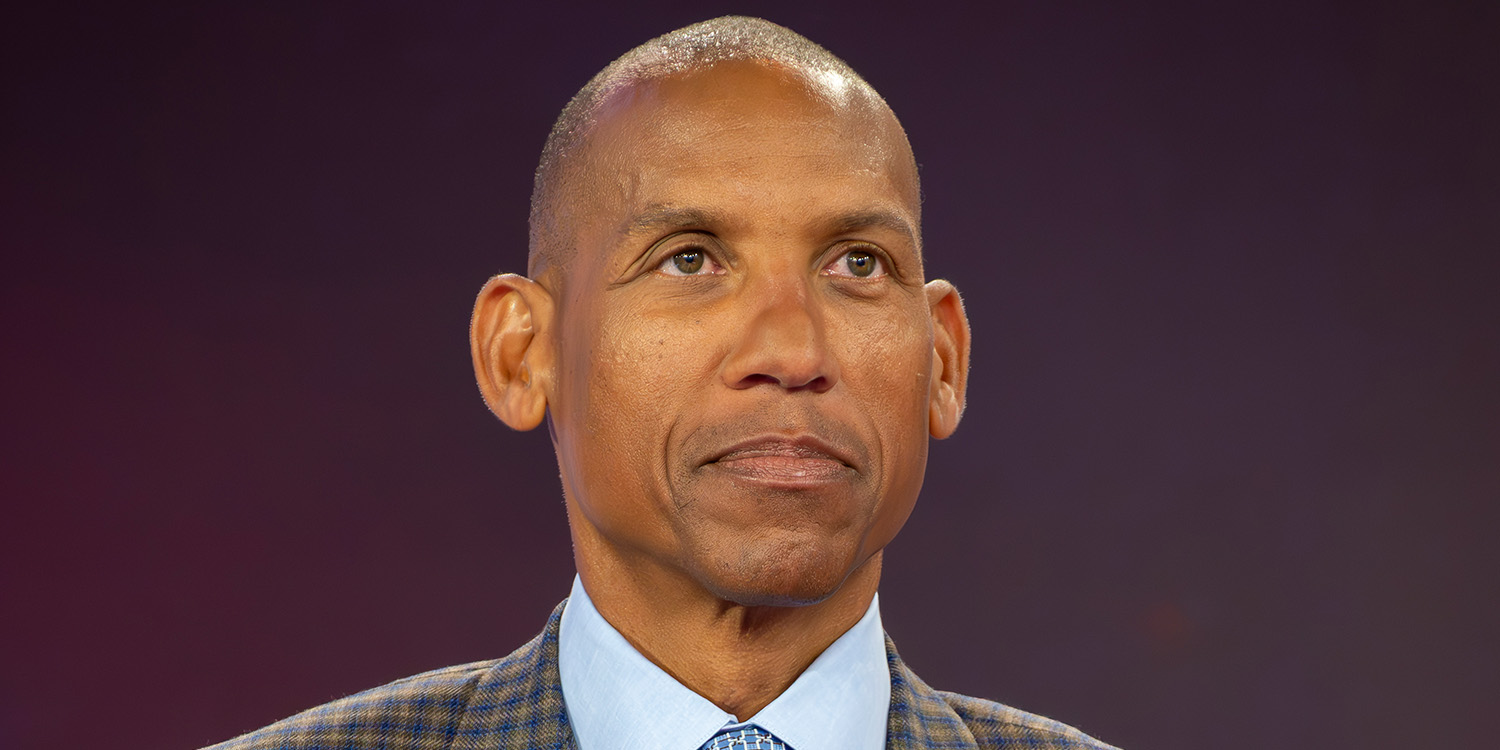
Reggie Miller retired in 2005 as one of the most celebrated figures in basketball. Despite having never won a championship during his 18-year career with the Indiana Pacers, he developed a reputation as one of the game’s greatest clutch performers, with several of his postseason three-pointers ranking among the most memorable shots in NBA history.
Miller’s fame, as well as his long list of career achievements, made him a coveted broadcasting prospect. Three months after his final game, Miller was announced as TNT Sports’ newest NBA analyst, joining a roster that included established voices Mike Fratello, Steve Kerr, and Doug Collins.
When he wasn’t calling games, Miller proved to be a capable fourth cast member on the popular studio show “Inside the NBA.”
In 2007, Kerr left TNT Sports to become general manager of the Phoenix Suns, allowing Miller to move into a more prominent game analyst role. Despite taking high-profile game assignments during the regular season and playoffs, Miller took a back seat to Collins during TNT’s coverage of the conference finals. From 2008 to 2010, he called only two conference final games, filling in on the final two games of the 2009 East Finals when Collins had to tend to a family emergency.
The network seemed to be sending a message: Reggie Miller was entertaining enough to trade barbs with Ernie, Kenny and Chuck on the Inside desk and offer some spirited game commentary, but he was not good enough to be considered a true lead game analyst.
That theme continued when Kerr returned to TNT in 2010 and reclaimed his spot alongside legendary play-by-play voice Marv Albert on the lead crew. While he did share the conference finals and All-Star Game booth with Albert and Kerr for three years, Miller’s presence often felt superfluous. Kerr’s style resonated with executives and viewers in a way Miller’s didn’t. In 2011, when CBS and TNT Sports began their NCAA Tournament partnership, it was Kerr who was named a lead Final Four analyst. Though Miller would be assigned to one of the four crews that worked the regional finals, Kerr always seemed to be one notch above his broadcast colleague.
In an industry that loves its stars, how could someone as accomplished as Miller not reach basketball broadcasting’s summit?
Miller’s style has long been polarizing. Some find his metaphors unusual, and his enthusiastic quotes, like “Welcome to your Kodak moment!” and “Are you kidding me?!” performative. There have been the occasional controversies, like when he suggested then-Syracuse head coach Jim Boeheim abandon his 2-3 zone during a tournament game vs. UNC Asheville.
“I just wanted to tell Reggie that we do not play man‑to‑man defense, just in case you didn’t realize that,” Boeheim said the day after the game.
Some detractors feel Miller’s commentary isn’t analytical enough, that he too often emphasizes player psychology rather than the kind of strategic breakdowns that have characterized the careers of all-time great analysts like Collins and Hubie Brown.
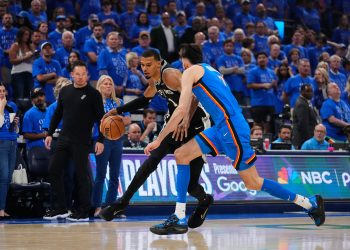
Now at NBC, Miller’s broadcasting moment has truly arrived. He is the unquestioned top dog, working alongside excellent play-by-play voice Mike Tirico and budding analyst Jamal Crawford on the network’s coverage of the West Finals.
When one is as polarizing as Miller, there will always be criticism, and yet it is hard to deny there is a certain charm to his presence in the booth. Analysts like Chris Webber and Crawford consider him a broadcasting mentor. During an appearance last year on the Sports Media Watch podcast, famed NBA voice Kevin Harlan — who worked with Miller at TNT for more than a decade — called him “a good friend and a good-hearted, kind, thoughtful man.”
Perhaps, that is the appeal of Reggie Miller, the analyst. More than anything else, Miller knows how to have a good time. While his style will occasionally annoy those seeking more technical analysis, it has its place for those looking for conversation and entertainment. Few analysts convey the joy and chaos of NBA basketball quite like Reggie Miller, and he figures to be a leading voice on the NBA for years to come.
Plus: A strong opening season for Amazon
Though its season ended with a disappointing game 7, Amazon should be pleased with what was a strong opening season of NBA coverage.
Its studio show, featuring names such as Taylor Rooks, Dirk Nowitzki, Steve Nash, Udonis Haslem and Blake Griffin, has already become a favorite among many hardcore fans looking for substantive analysis. Viewers were particularly impressed with the on-court demonstrations. There were also a host of Inside the NBA-inspired segments, like “Name That Twin” and “Where’d He Go to School?,” that showcased analysts’ knowledge of the game, rather than their lackthereof.
After years of mind-numbing debates, personal attacks, and “back in my day” arguments, Prime’s studio show was a welcome change. Viewers were seldom made to wonder if the personalities on-screen were enjoying the sport. At the same time, the show didn’t shy away from difficult conversations.
During a segment on postgame show NBA Nightcap over the weekend, the crew went long on a discussion about Anthony Edwards’ decision to shake hands with members of the San Antonio Spurs with eight minutes remaining in the game. It was compelling to listening to a Hall of Famer and NBA champion like Nowitzki express disbelief at Edwards’ gesture. That kind of honestly always connects with the viewer.
Meanwhile, the game coverage was also strong. Play-by-play voices like Ian Eagle, Harlan and Michael Grady brought instant credibility to the network. Stan Van Gundy, who informally served as lead analyst over the course of the season, offered an at-times caustic bluntless balanced by Eagle’s quick wit and charisma.
The grousing about Amazon airing the biggest postseason games in basketball will likely continue for various reasons. What should be clear to the objective observer is that in just one year, Prime Video has proven its coverage of the NBA can stand next to that of any of the league’s media partners.