A look back at 20 of the most important stories in the sports media industry during the past decade. In part two, stories #15 through #11.
#15: Fox gets Big Ten
In what was a rocky decade for ESPN, one of the company’s more questionable decisions was allowing Fox Sports to pick up half of the Big Ten’s media rights. ESPN put up what Sports Business Daily termed a “non-competitive bid” for the primary Big Ten package, letting Fox pick up not only half of the conference’s inventory, but first pick of games as well. As a result, Fox was able to dramatically strengthen its college football slate while weakening ESPN’s. This past season, Fox aired three of the six most-watched college football games, while ESPN/ABC did not crack the top seven. One imagines that ESPN’s willingness to pay as much as $300 million/year for the CBS SEC package is motivated by regret over its passive Big Ten strategy.
#14: March Madness madness
It is easy to forget that at the start of this decade, the NCAA Tournament was still airing solely on CBS, with games presented regionally. That arrangement was supposed to last until 2013, but the NCAA exercised an option to exit the deal in 2010. ESPN, just two years after picking up the full Bowl Championship Series, was the obvious favorite to acquire the rights. CBS knew it could no longer afford the NCAA’s price tag; before the opt out, the network was reportedly willing to pay ESPN to take the final three years of the deal off of its hands. There was simply no way that CBS alone could match ESPN’s $800 million/year bid.
In came Turner Sports, which threw CBS a lifeline in agreeing to mount a joint bid. The parties’ $840 million offer won out and the rest is history. The CBS-Turner deal would shake up the tournament, moving the Final Four and National Championship to cable in some years, and ensuring that every game would air nationally, and at staggered start times, across CBS and Turner’s cable networks. A 2016 renewal means the status quo will remain in place until at least 2032.
#13: CBS hires Romo
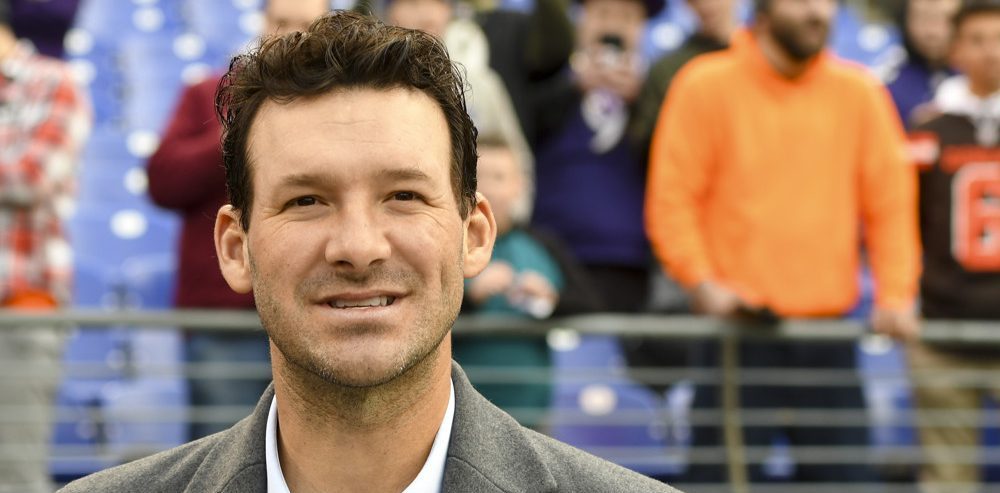
Tony Romo was no sure thing, at least on paper. The journey straight from the playing field to the broadcast booth is not always successful, and prospective broadcasters usually need a little seasoning before you put them on the “B” team — much less the lead. Yet there was Fox Sports, ready to put Romo on its secondary broadcast team right away. That would have been a risk in and of itself, but then came CBS — willing to dump its lead analyst of 20 years, Phil Simms, and put Romo next to Jim Nantz on its Super Bowl team.
This would either work out or fail miserably. A rookie on the lead team of a broadcast that gets over 20 million viewers in most weeks? Needless to say, it worked out perfectly. Romo sprang into the broadcast booth like Athena out of Zeus’ head, fully formed and holding a microphone. It took less than a year before he had already generated more acclaim than the oft-criticized Simms ever had. Had he joined Fox, it is entirely possible that Troy Aikman would be looking for a job right now. His contract expires after this season and he is widely expected to reach a deal that will make him the NFL’s highest rated analyst, and with no shortage of suitors to bid up the price.
#12 Costas censored
The absence of Bob Costas from NBC has been surprisingly easy to accept. Costas had already been phasing himself out by the time he and NBC agreed to a buyout last year. After he ceded his Olympic and NFL roles to Mike Tirico, there was not much else for him to do. In his final months working for NBC, his appearances were limited to Triple Crown races and NASCAR’s season finale. There was one other event he was scheduled to work, but it fell through.
Tirico was NBC’s NFL host by the time of Super Bowl 52 in 2018, but his Olympic duties took precedence. Costas was scheduled to fill-in in what would have been his final NFL role. Not long before the game, NBC quietly announced that Liam McHugh would host its Super Bowl studio coverage, with Costas having no role on the broadcast. The surprise move was characterized as Costas’ decision and that explanation seemed believable. Costas had dropped marquee assignments before. It took more than a year before the real story came out: Costas told ESPN’s E:60 in 2019 that he had been removed from NBC’s Super Bowl coverage because of his critical comments about the NFL’s concussion crisis.
Whatever one may think of Costas’ opinionated nature — a number of people never forgave him for talking about gun violence on NBC’s halftime show in 2012 — if someone of his stature cannot opine one of the biggest scandals in sports history, then who in this industry can? Costas’ situation brings into sharp relief that the price of working in sports media is that you do not get to talk about anything that upsets the leagues. That is not a new development, but it is nonetheless dangerous for those adversely affected by the leagues’ excesses.
#11: Disney-Fox sale
At one point this decade, 21st Century Fox sought to acquire Time Warner, a deal that would have brought TNT and TBS under the same umbrella as FOX and FS1. That fell through, and within three years Fox decided to sell off nearly all of its assets to Disney instead.
Disney’s acquisition of over $70 billion in Fox assets (originally valued around $50 billion before Comcast drove up the price) is more significant for the non-sports properties involved, and the strategic shifts triggered at both Disney and “New Fox,” than for anything sports related. Even so, the sports aspects are still worth noting.
Fox sold its 21 regional sports networks in the deal, which had they gone to Disney would no doubt have been rebranded under the ESPN umbrella. Instead, regulators required that Disney sell the RSNs as a condition of gaining approval for the overall deal. Not wanting to jeopardize such a big acquisition for some comparably unimportant RSNs, Disney auctioned off the networks in a months-long process best remembered for the lukewarm interest from the bidders. Sinclair Broadcasting won out over Liberty Media and Ice Cube’s BIG3, giving the bulk of local sports TV to a company with a checkered reputation in local news.