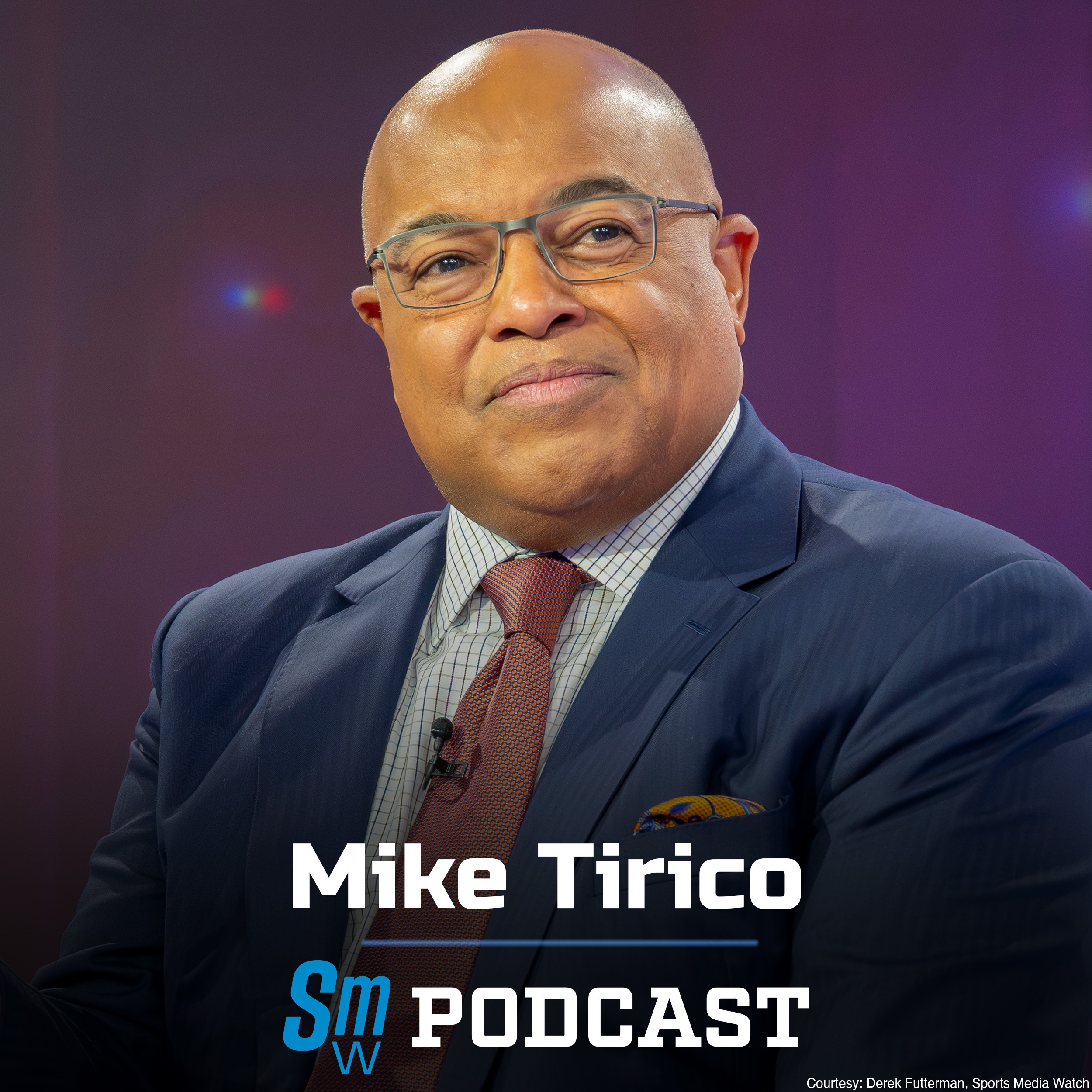
Bob Costas is retiring from baseball play-by-play. Arguably the most revered voice in sports broadcasting for the last 40 years, Costas recently confessed to MLB Network’s Tom Verducci, “I felt that I couldn’t consistently reach my past standard.”
For the last few years, something with Costas has been … off. And when a broadcaster of his stature is off, it’s glaring. He didn’t build great booth chemistry with Ron Darling on TBS’ MLB broadcasts. Some of his stories were ill-timed. During late innings of playoff games, he would wander too far down memory lane, abandoning the spectacle in front of him. He smothered the broadcasts, often leaving little room for the excellent Darling to offer analysis. In television, the play-by-play announcer should lead off with singles and doubles, setting the table for the analyst to hit the home runs. Costas wasn’t doing that.
The viewers noticed. Baseball fans across the country would wince upon learning Costas was calling a playoff series on TBS, at least it would seem from the social media reaction. And speaking of, Costas was often a trending social media topic, provoking the ire of baseball lovers across the nation.
There’s a harsh reality in sports broadcasting. No matter how good — or even great — you were, eventually, your skills diminish. Names become harder to pronounce. It becomes increasingly difficult to trust what you see, and to have confidence that the right words will come to you. There is very little time to process. You’ve got to see it and say it.
I’m old enough to remember when Pat Summerall and John Madden were the lead FOX NFL team. To this day, it remains my favorite broadcast duo. But listening to Pat in his last few years was painful. Summerall was never a screamer and always a minimalist, but from around 1998 until his retirement, he was sluggish. His calls lacked vigor. He got names wrong. He got down-and-distance wrong. Often, he would wait a few beats before announcing who made a catch or a tackle. Could you imagine Summerall calling games as a lead announcer today? He’d be excoriated for his lack of enthusiasm.
It’s a criticism Al Michaels, widely considered among the greatest play-by-play announcers in sports TV history, faces every week on Thursday nights. Viewers want energy. They want their broadcasters in the booth to sound as excited as they are in their homes. Michaels has never been one to screech a la Gus Johnson, but if you listen to his 1986 ALCS call or his incredulous call of the “HE DID WHAT?!” play in the Vikings-Packers Monday Night Football game from 2000 and then compare it to today, the difference is striking.
Dick Stockton, another all-time great, had more than his share of broadcasting gaffes towards the end of his career. After the ceremony to honor 2011 NBA MVP Derrick Rose, Stockton called him “David.” During a 2013 TNT broadcast of Clippers-Mavericks, Stockton confidently exclaimed that then-Mavs guard Mike James had hit a three-pointer. It barely grazed the iron. After a few seconds of uncomfortable silence, Stockton corrected himself as the Clippers collected the rebound and walked the ball up the floor.
“Time is flying, never to return.” The words of an ancient Roman poet ring true. Times have changed. Network executives have changed. The way viewers watch and listen to games has changed.
There was a time when we didn’t mind if our play-by-play broadcasters were colorful raconteurs. For decades, Vin Scully invited us to “pull up a chair” during baseball broadcasts while he regaled us with history lessons about Satchel Paige, the Sword of Damocles, the Fourth of July, or D-Day. Innings seemed to stubbornly wait for Scully to finish his tales before the last out was recorded.
There was room in the booth for anecdotalists, for people who could give you a clean call on 2nd and 3, while also using a narrative to humanize the athlete who had just made the play. It didn’t matter if the announcer didn’t scream until his lungs gave out. Not every call was replayed thousands of times on social media to be scrutinized by podcasters and the average Joe.
Broadcasters were judged by more than their decibel level on a big play. They told us stories. Sometimes, they gave us their opinions — as Costas often did. And they did it all while maintaining their own uniquenesses. But that approach seems old now — fondly remembered but anachronistic. It’s not anyone’s fault, just the way the world works.
It takes years, decades even, to build the reputation of a Costas, Michaels, Summerall or Stockton. A few blunders here and there aren’t earth-shattering, but when there’s a pattern of decline or a perceived lack of changing with the times, viewers will notice and their response will be thunderous. Sometimes it’s just groupthink. Other times, it’s legitimate criticism.
While we can’t help but notice broadcasting errors or slipping performance, especially at the national level where perfection is expected, the challenge for viewers is to appreciate the full body of work of our aging legends, while simultaneously hoping they have enough self-awareness to know when to hang up the headset.