One year from today, the Winter Olympic games return to Italy for the first in 20 years. Sports Media Watch has an early look at what the games in Milan and Cortina will look like and what to expect from US broadcaster NBC Sports.
What to expect on TV
It’s no secret that NBC considers last summer’s Games in Paris a tremendous success, so all indications point to running the same strategy in 2026. In Paris, NBC came on the air every weekday at 9 AM and provided continuous live coverage of marquee events until 6 PM, a marked departure from its previous strategy of tape-delaying all big-time competitions to primetime. Expect this strategy to continue as Italy is in the same time zone as France. 9 AM-6 PM might be a bit much considering the fewer events present in the Winter Games; 12-5 PM might be more realistic.
The Opening Ceremony at San Siro in Milan will be at 1:30 PM on Friday, February 6. Expect a full live telecast on NBC, followed by an edited primetime encore at 7:30 PM.
The competition schedule lays out nicely for viewers, with marquee events scattered across the day. Figure skating will be a priority for the network, and is usually scheduled from around 1:30-5 PM. Figure skating is a long event with lots of downtime, but with the medal contenders seeded to skate last, expect NBC to join the figure skating in progress for the last hour or so. Snowboarding, alpine skiing, and freestyle skiing are mostly set for the early afternoon. The ice hockey schedule features a number of games at 3:15 PM ET, but those may be relegated to Peacock to make room for more quick-cut individual events.
The primetime presentation will continue as a three-hour curated highlight show giving viewers the best moments of every day of the Games. The primetime show will continue to feature reality-TV elements, including interviews, feature stories, and celebrity guests. It’s not out of the question to expect a return of Snoop Dogg.
One change from Paris will be that Comcast will have completed spinning off its cable networks, including USA Network, CNBC, and E!, which all aired live coverage during the Summer Games. It’s possible these networks could still carry the games, but its more likely that NBC will lean heavily on Peacock, which will air all events live and on-demand, to provide fans with long-form coverage of every sport.
What to watch
Figure skating will be the network’s biggest promotional push. 2024 world champion Ilia Malinin from Team USA is the favorite in the men’s event, but it’s also not yet known if 2022 gold medalist Nathan Chen will make a return to the ice. Also from Team USA are ice dance stars Madison Chock and Evan Bates.
In snowboarding, two-time Olympic gold medalist Chloe Kim could make a return. Two alpine skiiers may be ending their careers in Cortina, as Lindsey Vonn and Mikaela Shiffrin attempt to compete for gold for the final time.
This will be the first Olympics since 2002 without American snowboarder Shaun White, but expect NBC to utilize him in some way during their studio coverage.
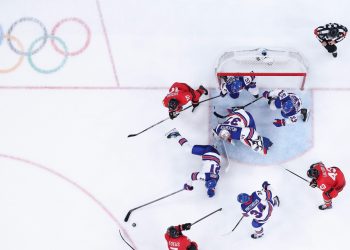
A deal was reached last year to allow NHL players to compete in the Games for the first time since 2014, which should raise the level of play somewhat. The United States men’s and women’s teams have already qualified for the hockey tournament. Making its Olympic debut is ski mountaneering, a timed discipline that involves climbing mountains and then skiing down them.
Programming challenges
NBC televised the Super Bowl during a Winter Olympic year for the first time in 2018, with Super Bowl LII leading into the start of the Games four days later. Then with the Super Bowl pushed back a week following the expansion of the regular season, the 2022 Super Bowl was set to air during Olympic competition days. NBC subsequently swapped the 2021 and 2022 Super Bowls with CBS so they would have the Super Bowl during the Olympics again, allowing NBC to avoid competition and create complementary programming for the two events. In the NFL’s most recent rights deals, the league adjusted the Super Bowl rotation so that NBC’s Super Bowls would always be during Winter Olympic years, in 2026, 2030, and 2034.
This year, Olympic competition will conclude before the game starts, so fans won’t miss any of the action, but the NFL will require an afternoon pregame show on the network. In 2022, the Olympics in China did not involve any daytime competition. This year, the final portions of the figure skating team event will take place between 1:30-5 PM. NBC could potentially show the Team USA skaters live during the NFL pregame, but the league may want all eyes on its big game instead. In 2022, NBC aired about 75 minutes of live Olympic coverage after the Super Bowl had finished. This year, they’re likely to do the same, except without any live competition.
Another programming conflict arises on the second Sunday of the Games, on what would traditionally be the date of the NBA All-Star Game, which NBC is carrying this year. The marquee Olympic event this day is the pairs short program in figure skating, set to wrap up around 5 PM. Perhaps NBC could work with the NBA to move the All-Star Game back to 6:30 PM, to give the game a more direct lead-in from the Olympics. Then when the game concludes, NBC can run an hour of primetime Olympics at 10 PM.
Finally, on the last day of the Games, the Closing Ceremony will be at 1:30 PM, with a live telecast on NBC. The primetime show will feature the ceremony, but it might be worth it to abbreviate it to two hours, and then launch the “Sunday Night Basketball” NBA franchise with a marquee game at 9 PM. The winter closing ceremony is often one of the weakest nights of the Olympics, but even a 10 million-viewer lead-in would do wonders to launch a new NBA program.
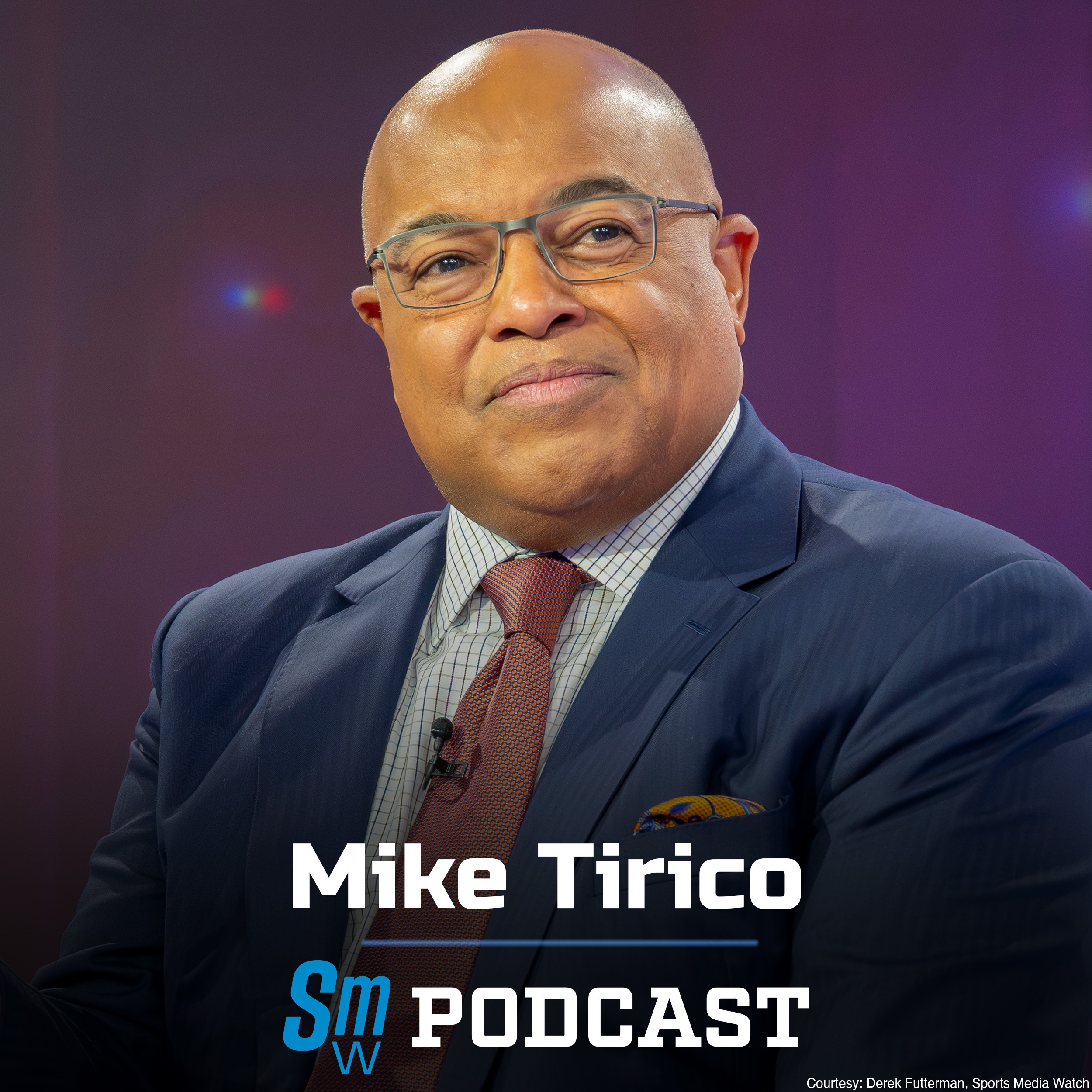
These domestic events could pose a challenge for Mike Tirico, who would typically host the Games on-site in Italy, but may opt for a stateside studio so he can be involved with two of NBC’s other flagship sports rights.
Looking ahead
NBC is already preparing for the mega-event that will be the 2028 Summer Olympics in Los Angeles. The network will work closely with the LA organizers to develop a competition schedule that maximizes viewership, with stars spread across the afternoon, primetime, and late night. Expect a massive promotional push surrounding LA during next year’s Winter Games as well.