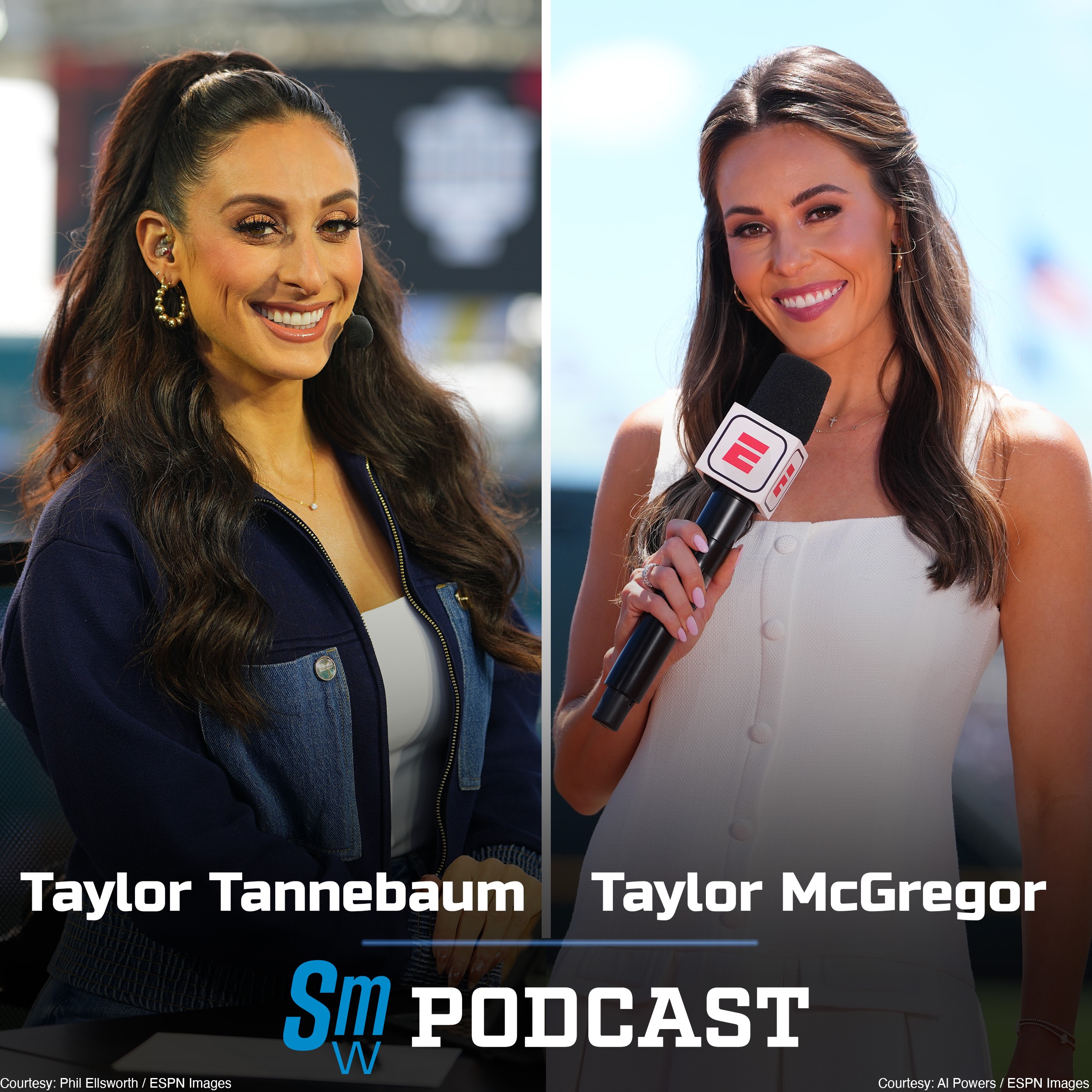
ESPN and the NFL have reportedly reached a deal on the long-rumored arrangement that would give the network control of the league’s media apparatus.
Andrew Marchand of The Athletic, who was first to report early last year that such a deal was in the works, reported Friday that the sides have reached an agreement that is expected to be announced next week. As has been reported from the beginning, the agreement would give ESPN control of NFL Media, including NFL RedZone and NFL Network (which will include the network’s seven regular season NFL games).
It should be noted that the arrangement is not akin to TNT Sports’ management of NBA TV, wherein the network still belonged to the league. As Mike Florio of Pro Football Talk reported last week, “ESPN would assume full ownership of NFL Network and NFL RedZone.” (Other assets, including NFL Films, NFL.com, NFL+ and the NFL app, would remain owned by the league, per Florio.)
In exchange, the NFL will be able to take as much as a ten percent stake in ESPN, though per Marchand it was unclear whether that would be for a specific length of time.
The arrangement is thus going to require regulatory review, which in the current environment adds at least some uncertainty to the proceedings. Even absent any undue influence on the part of the government, the regulatory process would take long enough that the deal would not go into effect until after the coming NFL season.
For ESPN, it was less than a decade ago that the network’s relationship with the NFL was by all accounts at its lowest ebb. The NFL, reportedly miffed over ESPN journalism about controversial topics in the league, regularly scheduled low-wattage games for Monday Night Football and threw a few brushback pitches at the network as well — giving FOX an NFL Draft simulcast and floating the possibility of removing ESPN’s annual Wild Card playoff game (which would have also gone to FOX).
Under Jimmy Pitaro, the relationship between league and network has improved to the point that ESPN is in the Super Bowl rotation, will own the league-branded network, and will be able to count the league as an investor. As might go without saying, that has come at the cost of the more aggressive reporting of off-field matters that characterized the late 2010s.