“I don’t ask many football questions.” — Tony Kornheiser, on Monday Night Football (12/24/07).
As another season of Monday Night Football comes to a close, one wonders if ESPN will finally end the Tony Kornheiser experiment.
Kornheiser, co-host of the popular ESPN talk show Pardon the Interruption, was named to the Monday Night Football booth in 2006, partially to give some juice to a broadcast team that was losing prestigious play-by-play man Al Michaels.
He was to be the new Howard Cosell — or, at the very least, a better version of Dennis Miller. He would be the caustic comic relief, and give MNF the kind of bite that makes people to tune in just to see the announcers.
Only it has not quite worked out that way. Certainly, ratings have been strong for MNF, and among the best ever for cable programs. But the ratings would have been good, Kornheiser or no Kornheiser, and by no means have viewers been flocking to the games in droves to watch his schtick.
Joe Theismann may be petty and immature in regards to his firing from Monday Night Football, but the former analyst and Kornheiser booth-mate certainly was not incorrect when he branded MNF a “three hour Tony Kornheiser show.” Kornheiser’s presence dictates the style of the broadcast.
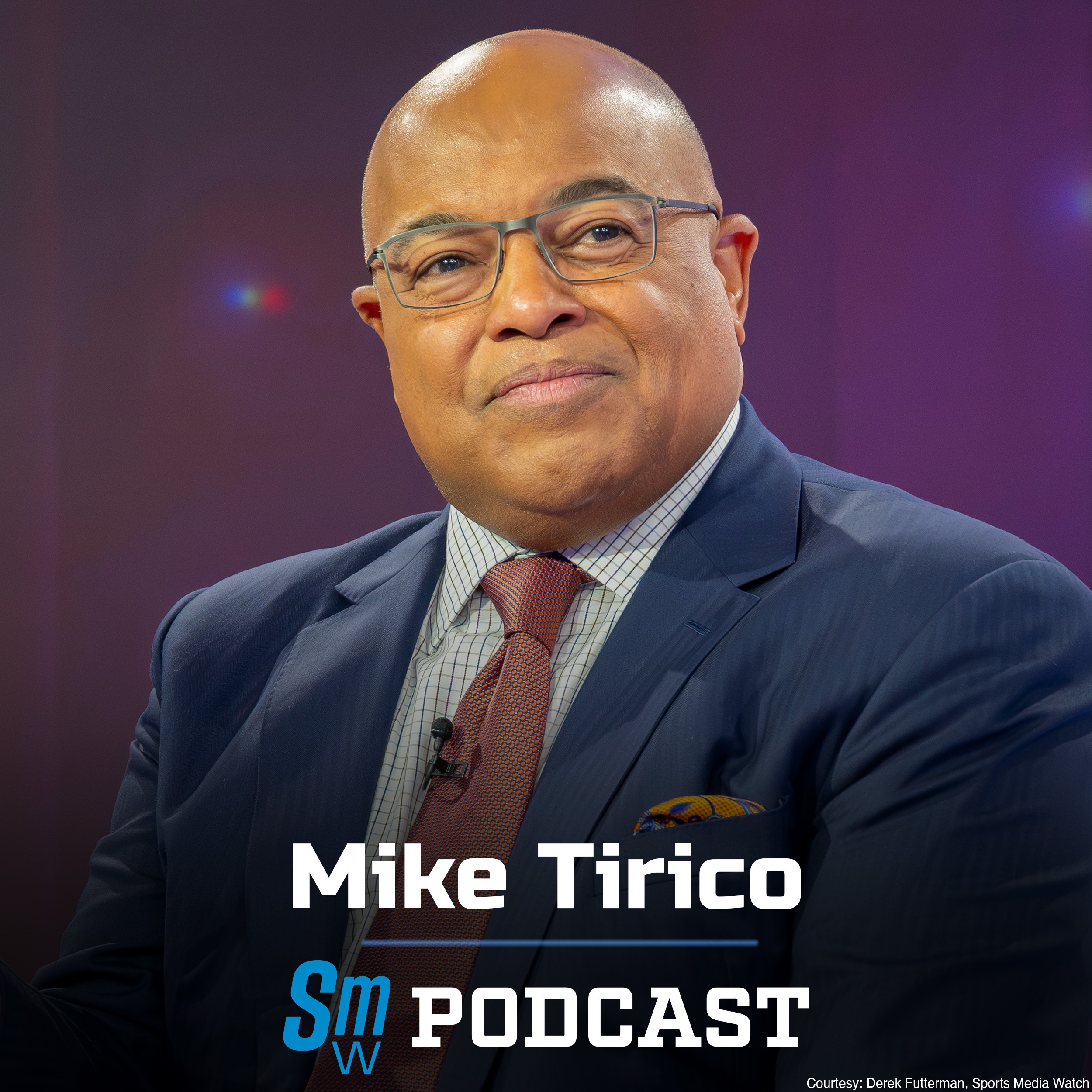
In his critiques of MNF, Theismann calls the show “issue oriented.” Too often, the game takes a backseat to conversation; earlier this season, the entire third quarter between Washington and Philadelphia consisted of Mike Tirico, Ron Jaworski, Kornheiser and guest Charles Barkley discussing Donovan McNabb’s future with the Eagles. Essentially, MNF has become less a football broadcast than a three hour long talk show.
Because of Kornheiser, the broadcast has to be issue oriented. Sportswriters rarely focus on the games they cover, instead paying attention to the underlying storylines. If a sportswriter is going to succeed in the booth, it is not going to be in an X and Os capacity. Hence, as a necessity, Kornheiser pulls the focus from the actual game. If the broadcast is not issue oriented, Kornheiser no longer has reason to be in the booth.
The question for ESPN in regards to keeping Kornheiser for next season is whether or not they care more about the show than the game. In many ways, ESPN has shown that the former is more important than the latter; last year, the Monday Night booth was overrun with celebrity guests. Cross-promotion has run rampant on MNF, including but not limited to an appearance by the national plague that is Hannah Montana on tonight’s broadcast (Hannah Montana, of course, being a Disney property). From using The Pussycat Dolls on the NBA, to having a trailer for Pirates of the Carribean lead into a Pittsburgh Pirates highlight on SportsCenter, the ship sailed a long time ago on ESPN considering the game to be the draw.
But ESPN has nothing to gain from keeping Kornheiser in the booth. He is certainly not completely horrible as an analyst, but his presence both distracts and detracts from the game being played. While he has served as a curiosity to the media, and generated several articles during his first few months on the air, viewers are not tuning in to see how he does on a weekly basis. There would be no harm done by bumping Kornheiser from the booth, and staying with a two man booth of Tirico and Jaworski.
Perhaps it would make Monday Night Football broadcasts less unique. But if the trade-off is making those broadcasts more focused on football, the fans and the telecast itself may be better served.