Sports Media Watch had a chance to attend College Gameday media availability on Friday in advance of the pregame show?s coverage of the #1 Oklahoma/#5 Florida State college football game. Along with other reporters, SMW got a chance to speak with Lee Corso, Desmond Howard, Chris Fowler, Erin Andrews and Kirk Herbstreit.
Among the topics of conversation: how College Gameday has evolved over the years, why the show has been so successful, and the chemistry between members of the cast. In addition, Fowler — an ESPN tennis host — on the recent Serena Williams controversy.
 Lee Corso
SMW: Could you reflect on how College Gameday has changed since you first joined the show?
Corso: College Gameday now has become an event. Ever since we went to the Florida State/Notre Dame game ? we went on the road the first time, I think it was ?93 ? it was a great game, and our situation has grown tremendously since then. It?s become an event. There?s tents around and everything else. It?s really an event for the school that has us here.
SMW: Why do you think College Gameday has been so much more successful at going out on the road?
Corso: It?s the atmosphere. The students get into it, that?s why it?s so much better. It?s like, if you?re an actor and you do movies, you do them in a confined area like a warehouse. But when you go and do a show on Broadway? It?s live, it?s action, it?s a live crowd. That?s the same thing with College Gameday. It?s become an event for the student body and alumni. They come out, they cheer and everything.
 Desmond Howard
SMW: Can you speak to the chemistry of the guys on College Gameday?
Howard: When I talk to people about the show and they ask me how much do I like what I do, I tell them I really like it because of the people I work with. Obviously before I joined the show, those guys had started something that was just fantastic, and they welcomed me with open arms and allowed me to work my way in, to fit in. My whole goal was not to mess up their chemistry, because they had something that was obviously fantastic and I didn?t want to mess it up at all. I think things have continued to progress, have continued to roll, and we have fantastic chemistry.
When you compare our show to any other pregame show ? whether it?s college or pro ? what comes across to our viewers, I believe, is that we genuinely like each other. We genuinely get along. That chemistry we have comes across, and that?s what is so attractive to our viewers. You may not get that from other shows. After we leave our meeting, we often go out to dinner and have fun with each other, you know, have a good time. As opposed to some other shows, once the guys are done and the camera?s off, they go their separate ways and they don?t want to see each other anymore until they have to come back. I think it speaks volumes to those three and what they?ve started and what they allowed me to be a part of.
SMW: Obviously there have been all these [college football] scandals over the summer. Do you view College Gameday as a respite from that for the fan?
Howard: My hope is that the play on the field ? games like Notre Dame/Michigan ? can overshadow the scandals off the field. That?s my hope. But because the scandals are happening so often, they?re reoccurring, then it?s like they?re battling each other.
 Chris Fowler
SMW: How much has this show changed since you started in 1990?
Fowler: (laughs) In 1990, we were half-hour show in a studio with a couple of guys leading into very, very low-level football games, and there weren?t very many games on TV. It?s evolved into a road show and kind of almost invented a genre of pregame shows. This show is imitated a lot, but this sport lends itself to this kind of show a lot better than other sports do. That?s been a big part of the growth.
We?ve, I think, helped nationalize the following of college football. Now people from around the country know a lot about programs that are from completely different conferences, and I think Gameday?s a part of that. We?re proud of it, we never could have expected the growth of the show, but it would take a half-hour to talk about what?s happened between 1990 and 2011.
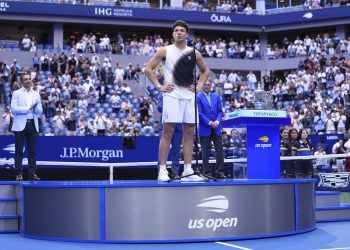
SMW: With the Serena Williams controversy that?s come out in the past couple of days, I wanted to get your opinion on whether you think Serena?s been given a double-standard compared to male tennis players like [John] McEnroe and [Andy] Roddick who have had these kind of temper tantrums in the past.
Fowler: I think each situation is specific and different. I don?t think John McEnroe got a free pass for his tantrums. I think John was popular for them, he was unpopular for them as well. John was a very polarizing figure. I don?t think Serena Williams has been a very polarizing figure. The controversy the other day, to me, was sort of mild; it was a matter of the rule. It just so happens that the rule was correctly enforced, and Serena may have gotten frustrated. This is something completely different from the foot fault verbal assault on the linesperson a few years ago. I think that was a separate thing were Serena was clearly out of line, and everybody sort of feels that way.
The thing the other day with [Samantha] Stosur in the final was just a matter of the tennis rule. She yelled out ?come on? in the middle of a point. It?s a clear case when hindrance is done intentionally like that in a point that the opponent gets the point. She may not have known the rule, there was a lot of confusion about it ? the fans may not have known the rule. I suppose that?s a very complex question, is there a double-standard for Serena. I don?t really see it. When she came back to the U.S. Open this year, she was pretty warmly welcomed by the fans. There was not a lot of booing, despite the way she exited, with the loss to [Kim] Clijsters and the default. I think she still enjoys a whole lot of crowd support in New York and a lot of places in the world ? and especially in the states.
 Erin Andrews
SMW: You?re in your second year now co-hosting College Gameday. How important do you think it is for female reporters to go beyond just the sidelines and host and do play-by-play?
Andrews: It?s huge for us to be versatile. Even when I was just doing sideline reporting, I was doing more than one sport ? college football, college basketball, Major League Baseball, College World Series, Little League World Series ? and I thought it was good, because it just ups my value. It just helps me show my bosses that, ?hey, use me, I know a lot of sports.? But no, taking on a hosting role is huge. It shows that you are versatile and you can do other things than just obviously report the facts on a football field.
SMW: What is the kind of atmosphere that you see out here? How does it change a campus when Gameday comes to town?
Andrews: Even myself as a fan of College Gameday, when I was at the University of Florida, I would camp out when Gameday was in town. It?s a circus, the guys are rock stars. They are. They walk around campus, and kids are so excited to get near them and talk to them and take pictures, and that?s why it?s so cool for me, because I actually did. I camped out. I wanted my picture with Kirk and Chris, and I was freaking out when they?d come to town. I just believe College Gameday has made college football what it is; it?s so exciting, and the whole rock star, circus-like status.
 Kirk Herbstreit
SMW: When you first started your career with ESPN ? I think you were a sideline analyst at the time in the first season ? did you ever imagine you would get to the point where you are now, where you?re the lead college football voice on the National Championship Game?
Herbstreit: When you first start in any business, I don?t think you ever think about where eventually you?re going to go. If you asked Al Michaels that, or really any person who works on TV and you asked them where they were in their first year to where they are later in their career, I don?t think anybody ever envisions getting to that point. I love what I do, that?s really the most important thing. When I got into this business ? because I was a business major, I had some business opportunities. And then I had broadcasting, that was paying me about $11,000 a year, no benefits, nothing. But I loved it. So the reason I chose that is because I knew when I went to work doing that, it wasn?t work to me, it was my passion.
Anytime you can do something you love, whether it?s you or anybody in here, when you do something you love, you?re going to be successful in it. That was really the message that I learned from a very early start. The progression of my career, and the opportunities of my career, just kind of happened. It wasn?t a plan; it was just doing something I loved and eventually landing where I?ve landed. It was not a plan by any means, but it?s definitely been a lot of fun, and it?s happened very quickly.