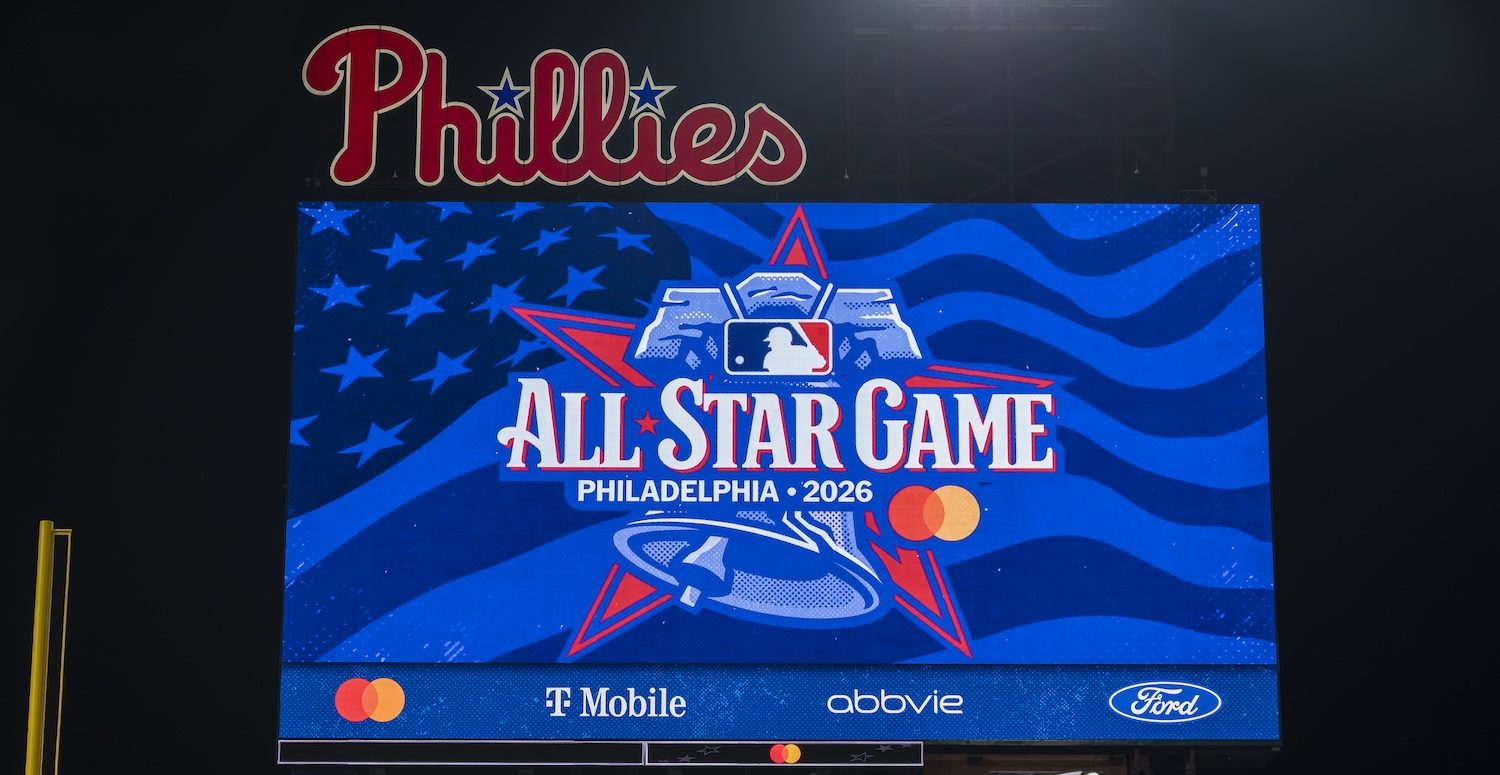
Viewership for the two marquee MLB All-Star events went in opposite directions.
Drafting off of an indirect lead-in from the FIFA World Cup, Tuesday’s MLB All-Star Game averaged 8.79 million viewers across FOX (8.675M) and Fox Deportes, marking the largest audience for the game since 2017. (The FOX-only audience was the largest since 2018.)
The American League’s rare shutout victory, which peaked with 10.19 million in the 8:45 PM ET quarter-hour, increased 21% from last year’s audience of 7.185 million.
The All-Star Game was once again the most-watched in all of sports, albeit by less than one percentage point over an Olympics-fueled NBA All-Star Game on NBC, Telemundo and Peacock (8.794M to 8.789M). (NBC’s position is that because Nielsen does not track its streaming viewership, its combination of a Nielsen-measured linear audience with streaming viewership tracked by Adobe Analytics is comparable to the Nielsen-only figures of other networks.)
It should be noted that the NBA had a direct lead-in from the Olympics, while first pitch of the baseball game occurred more than two hours after the World Cup match ended. Had there been less of a buffer between the match and the game, viewership would have presumably been even higher. The All-Star pregame show averaged 4.10 million, up a sharper 56% from last year (2.63M) as compared to the 21% bump for the game itself.
This year is the first since 2019 — the Pro Bowl and MLB All-Star Game — in which two All-Star games averaged at least eight million viewers. (This year’s “Pro Bowl Games” had just 2.0 million viewers in a Tuesday night window on ESPN.)
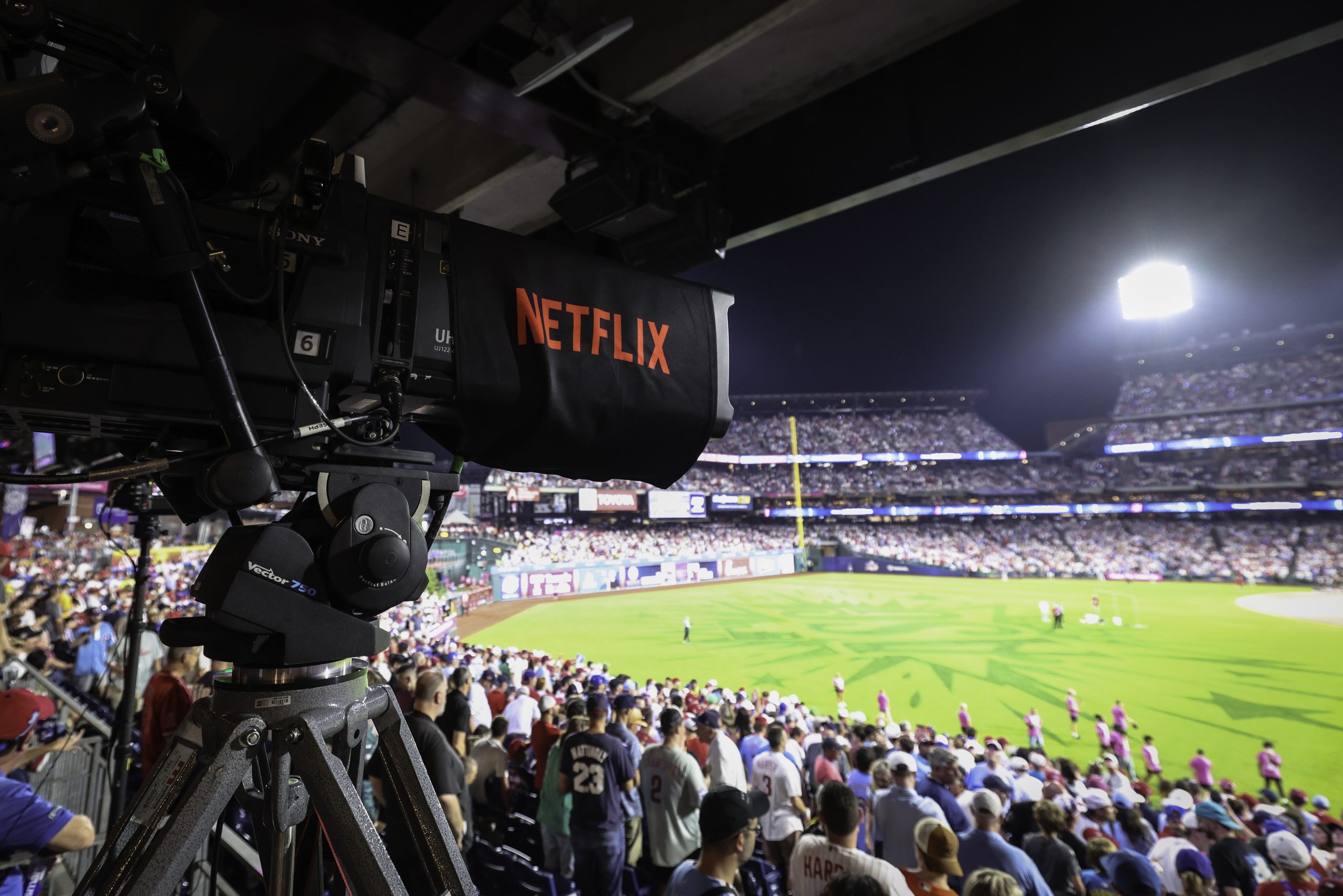
On Monday, the Home Run Derby averaged 5.3 million viewers on Netflix — down 8% from last year on ESPN (5.73M) and the smallest audience for the event since 2003 (5.22M). That is still the second-largest MLB audience of the season behind the All-Star Game (and third if one includes the All-Star Selection Show, which enjoyed a direct World Cup lead-in), though that is to be expected for the Derby.
The Derby was a more-than-respectable draw by the standards of sports on streaming services. Only one NBA game on Prime Video this past season — Cavaliers-Pistons Game 7 in the second round of the playoffs — averaged a larger audience (6.53M). Nevertheless, the decline from last year and decade-plus low are particularly notable given changes in Nielsen methodology that have corresponded with historic viewership milestones across the sports industry, including for the All-Star Game itself on linear television.
For sports on streaming services, particularly in their debut seasons, there is a trade-off between the size of the audience and the age of the audience. Netflix did not provide exact figures in its release Thursday, but said the Derby was the highest rated in adults 18-34 and 18-49 since 2021, and that the median age of 44.3 was the youngest for the event since 2014 (43.5).
As a general rule, the trend for sports leagues on streaming services has been a smaller, but younger, audience in year one, with viewership rising in subsequent seasons as older audiences become accustomed to the platform.
Jordan Walker’s dramatic win was just the second Major League Baseball event to air on Netflix, following a Yankees-Giants Opening Night contest that drew 3.0 million in March. The streamer has one more event this season, next month’s Field of Dreams Game in Iowa, before picking up again next season — assuming no work stoppage — with Opening Night March 24.