When Chicago Bulls G Josh Giddey hit a half-court buzzer beater to defeat the Lakers in a regular season game last year, analyst Stacey King punctuated the moment with a memorable call.
“Oh my God! I cannot believe this! Elizabeth, I’m coming, baby!” It is hard to imagine any other analyst using a catchphrase from 1970s sitcom “Sanford and Son” to express his astonishment, but that was a part of King’s charm.
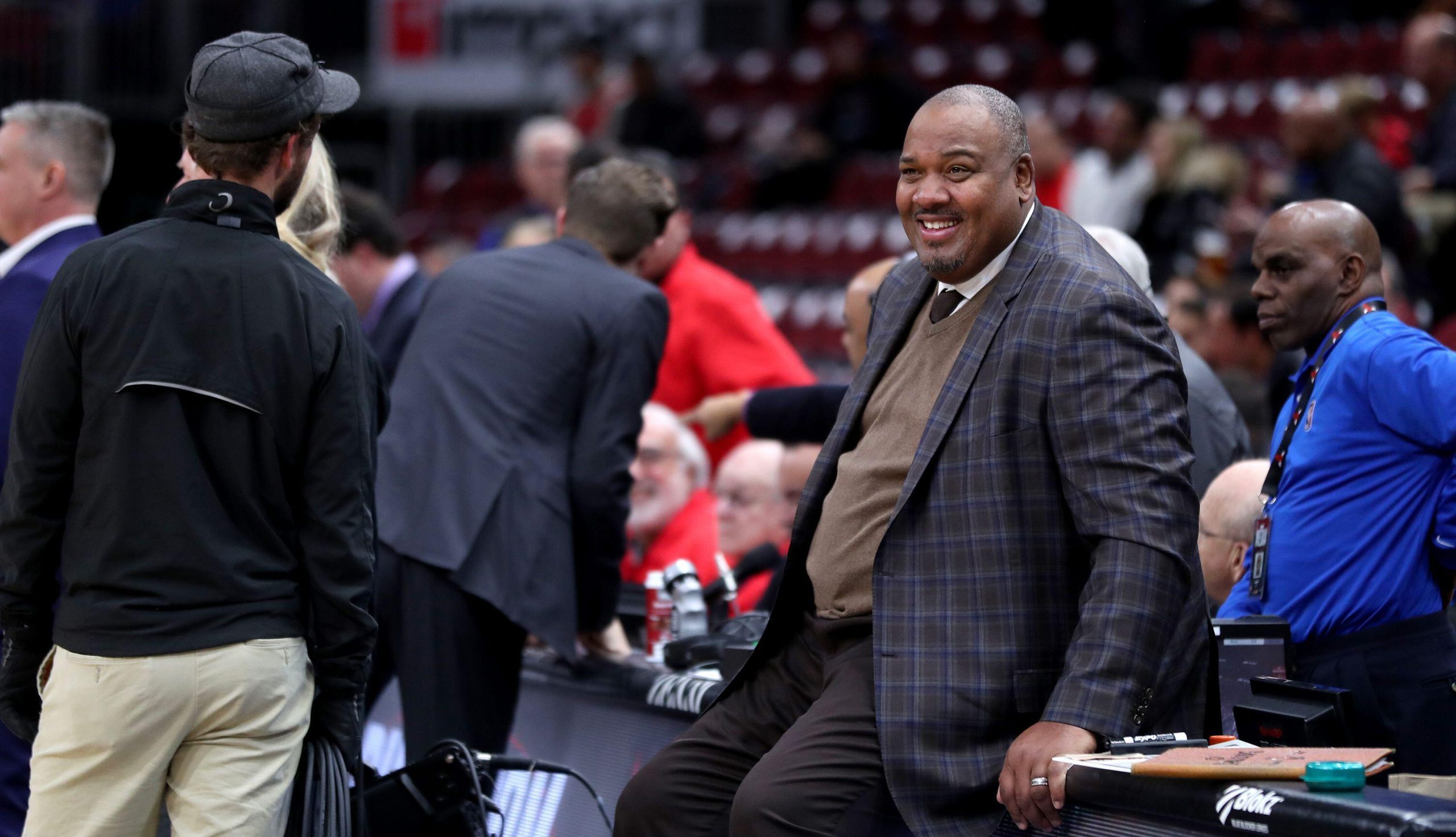
King, who passed away Sunday at the age of 59, was the Bulls’ first-round draft pick in 1989. He was a member of the Bulls teams that won three straight championships from 1991 to 1993. While being a part of a Michael Jordan-led dynastic run carries its own prestige, he will likely be best remembered for his two decades in the booth as the Bulls’ lead game analyst, working first with Neil Funk, then Adam Amin.
“Stacey loved being a Bull,” said president and CEO Michael Reinsdorf. “You could feel it in everything he did — the way he played, the way he called games and the way he connected with our fans. He had a unique gift for bringing people together and making every game feel personal.”
For the last few seasons, King and Amin forged one of the strongest local broadcast teams in the NBA.
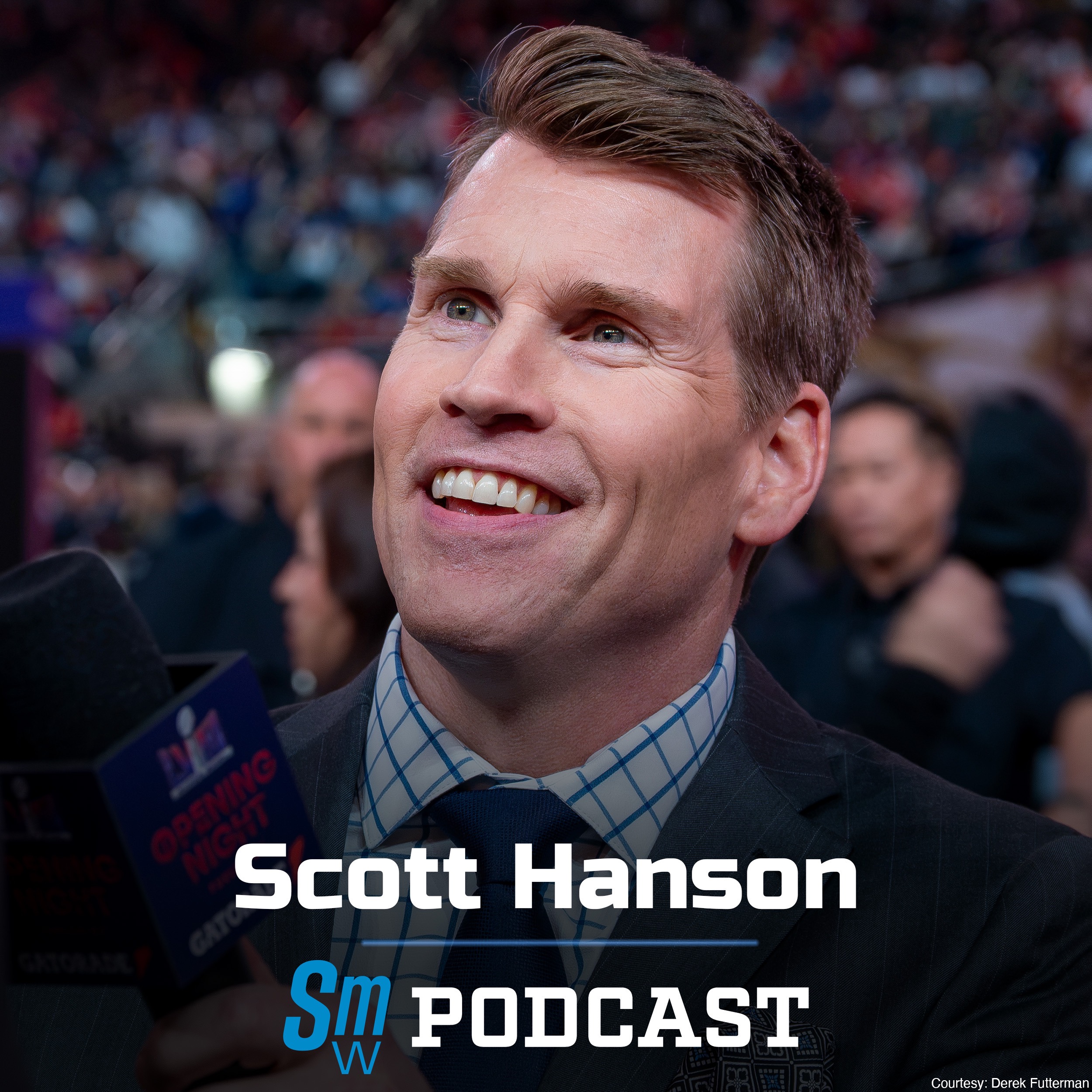
“Stacey is truly one of one,” Amin said last year on the Sports Media Watch Podcast. “I’m fortunate that I have somebody next to me that is a great analyst, really entertaining. Fans love what Stacey does.”
Fans loved what he did because King understood the value of being the voice of the Bulls. Following the example of legendary ESPN analyst Dick Vitale, he embraced a philosophy that prioritized energy, personality, and fun.
“I think you have to let [King] be who he is,” Amin said. “It’s like a broadcast sin to try and silence my partner by telling him ‘hey, back off here.’ I’m going to punch the call, get out of the way … whatever this man has, I’m going to let him enjoy it, bring it to people that have gotten used to it and then I’ll do whatever is required of me in that moment.”
Unencumbered by many of the conventions that govern national broadcasts, local analysts can be more expressive and distinctive. It would be a broadcast felony for Tim Legler or Richard Jefferson to openly root for one of the competing teams during an ESPN broadcast, but at the local level, analysts are encouraged to lean into their fanaticism. The entire production of a local broadcast — from pregame teases to in-game highlights and commentary — is tailored for a specific audience.
This approach helped longtime analysts like Johnny Kerr, Tom Heinsohn, Stu Lantz, and Walt Frazier become local institutions. Generations of fans grow up listening to these venerable voices. While national announcers parachute into a city for one night, local analysts live with the team through winning streaks, losses, trades, new coaches, and new seasons.
When the NBA removed first-round playoff games from regional sports networks, fans missed hearing the voices they’d grown familiar with through the course of the year.
During the final MSG Network Knicks broadcast of the regular season, ESPN and Knicks play-by-play lead voice Mike Breen voiced his displeasure with the move.
“I personally think it’s a poor decision,” Breen said. “Fans want to hear their team’s announcers — at least in the first round — because for so many of us, the home team announcers become a part of the family.”
Breen’s point is both valid and notable. The media landscape continues to shift, yet local analysts remain essential. They become cheerleaders and historians, representing the viewpoint of the hardcore fan.
The sports broadcasting industry leaves room for different types of characters. Some call games with a quiet, unassuming confidence, content to let their work speak for itself. Others — like King, and the late Bill Walton and John Sterling — cultivate such distinctive personas that they become impossible to replace. Their quirks, creativity, and singular styles transcend the games they call. When associated with a specific team in a specific market, these broadcasters can become icons, symbolic not just of a franchise or city, but of a shared experience across eras. When that connective tissue is lost, it is hard to replicate.
Plus: Costas’ unexpected walk-off call
What began as a nostalgic guest appearance turned into a classic Bob Costas moment. Joining the Chicago Sports Network’s throwback broadcast of Braves vs. White Sox on Tuesday night, Costas unexpectedly found himself delivering the play-by-play for Sox rookie Braden Montgomery’s dramatic walk-off home run.
For much of the broadcast, Costas settled into his familiar role as baseball’s master storyteller. With a wealth of historical knowledge at his disposal and respected analyst Steve Stone alongside him, the conversation flowed effortlessly. Critics argued that the game action took a back seat, but CHSN had never hidden its intention: the broadcast was meant to recreate the feel of a 1980s baseball telecast.
Costas, who retired from baseball play-by-play in 2024, told the Chicago Tribune before the broadcast, “I’m not doing any play-by-play. Steve will take note of what’s happening (in the game) and I will chime in. We’re hoping that the game is not so epic that we can’t lean into all the 80’s flashback stuff we’ve got.”
The Braves and White Sox had other plans. When Montgomery drilled a 2-run shot to left, Costas belted out, “Sends it in the air to left … it is back near the wall … it is OVER THE WALL FOR A GAME-WINNING HOME RUN!”
Costas, who was criticized during his TBS tenure for a perceived lack of enthusiasm, gave the call some extra punch.
By his own admission, Costas cannot consistently deliver the kind of high-quality play-by-play that has characterized his Hall-of-Fame career. But for one night, Costas turned back the clock, proving he can still summon the words that elevate a great moment into a lasting memory.